




The Critical Role of Manual Handling Compliance Training in Enhancing Workplace Safety in Ireland
In Ireland, manual handling is a significant concern across various industries, from healthcare to construction. Ensuring that employees understand proper manual handling techniques is vital to maintaining safety standards, preventing workplace injuries, and complying with Irish regulations. This blog post dives into the crucial importance of manual handling compliance training, the benefits it offers, and how organizations can implement effective training programs.
Understanding Manual Handling Compliance
Manual handling refers to the transportation or support of a load by hand or bodily force. It includes tasks such as lifting, lowering, pushing, pulling, or carrying. In Ireland, the Safety, Health and Welfare at Work (General Application) Regulations 2007 underline the necessity for employers to ensure that employees receive proper training and understand safe practices.
Importance of Manual Handling Compliance Training
Manual handling compliance training is not just a legal obligation; it is pivotal for the safety and health of employees. While some may see it as a mere requirement, the benefits extend far beyond compliance:
- Enhances Workplace Safety: Proper training helps in minimizing the risk of injuries related to manual handling tasks.
- Reduces Healthcare Costs: Fewer workplace injuries lead to lower health insurance premiums and reduced compensations.
- Boosts Employee Morale: Employees who feel safe are generally more satisfied and productive.
- Legal Compliance: Not following manual handling regulations can result in hefty fines or legal actions.
Who Needs Manual Handling Compliance Training?
Every workplace in Ireland where manual handling occurs requires compliance training. This includes:
- Healthcare Workers: Nurses and caregivers who move patients must know how to do it safely.
- Construction Workers: Lifting heavy materials safely is critical in preventing accidents.
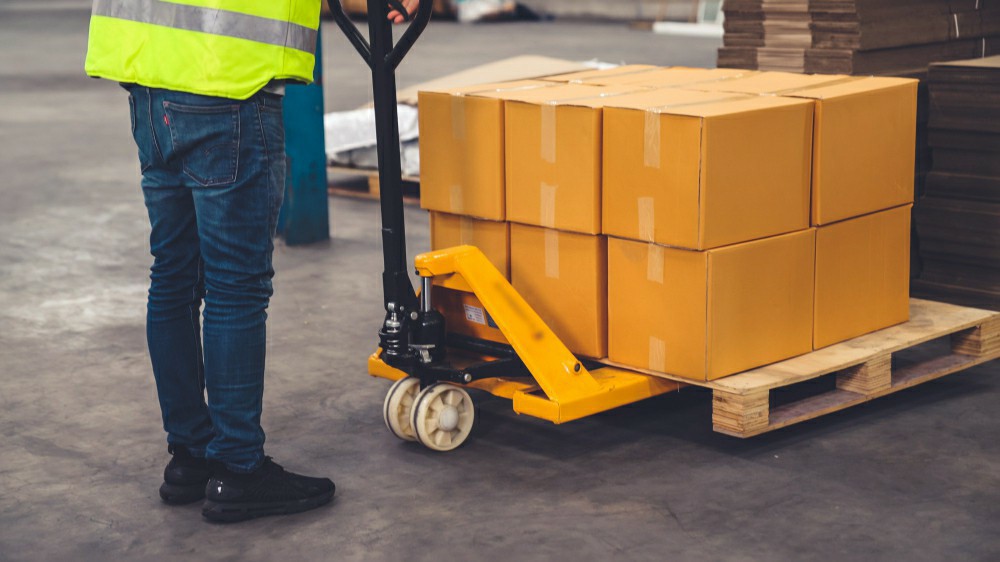
- Warehouse Staff: Employees handling inventory must adopt proper techniques to avoid injuries.
Types of Manual Handling Compliance Training Available
Organizations can choose from several types of training options for employees:
- In-Person Training: Guided training sessions that provide hands-on experience in safe manual handling techniques.
- Online Training: Flexible courses like manual handling compliance training online that employees can complete at their own pace.
- Tailored Courses: Custom programs designed to cater to specific industry needs or individual organizational requirements.
How to Select the Right Manual Handling Compliance Training in Dublin
Choosing the appropriate training provider can be challenging. Here are key considerations:
- Reputation: Research course providers with solid experience and positive reviews.
- Certification: Ensure the training leads to recognized certifications, such as manual handling compliance certification Ireland.
- Content Relevance: Verify that the training material is relevant to your specific industry needs.
- Flexibility: Look for providers offering both in-person and manual handling compliance training Dublin options for convenience.
Conclusion
In conclusion, manual handling compliance training is an essential component for ensuring a safe workplace in Ireland. By investing in certified manual handling compliance training, employers not only comply with Irish safety regulations but also cultivate a safer, healthier working environment. For more information or to enroll in our courses, visit Irish Manual Handling or contact us at [email protected].