




Empowering Your Workforce: The Indispensable Nature of First Aid & CPR Training in Ireland
In today's fast-paced work environment, the safety and well-being of employees should be a top priority for every organization. Completing a First Aid and CPR training course is not merely a compliance requirement; it is an essential investment in your workforce's health and safety. This comprehensive guide delves into the critical role of First Aid training, key advantages of obtaining a First Aid Certification, and how these skills significantly bolster workplace safety.
The Vital Importance of First Aid & CPR Training
Every workplace is at risk for potential emergencies, from minor injuries to life-threatening incidents. First Aid and CPR training equips employees with crucial skills to effectively manage medical emergencies, promote a safer working environment, and comply with Irish health and safety regulations.
1. Basic Life-Saving Skills
- Understanding how to assess emergency situations accurately.
- Learning essential skills like CPR, wound care, choke-saving techniques, and managing shock.
- Being able to provide immediate care while awaiting professional medical help.
2. Reducing Workplace Injury Rates
Workplaces that prioritize First Aid training report a significant reduction in injury rates. When employees are trained in emergency response protocols, they can act swiftly to mitigate accidents and their potential consequences.
3. Enhancing Employee Confidence
Training programs instill confidence in employees. Knowing they can handle emergency situations contributes to a safer and more cohesive work environment.
Compliance and Regulatory Requirements
Complying with Irish workplace safety regulations is paramount, and First Aid Certification Ireland plays a crucial role in this aspect. Employers are required to ensure access to qualified first aiders in the workplace. This not only aligns with legal obligations but also demonstrates a commitment to employee welfare.
Workplace Health & Safety Regulations
- Understanding legislation related to workplace health and safety.
- Identifying specific workplace first aid requirements.
- Implementing emergency response training plans tailored to your organization.
Key Components of CPR Procedures
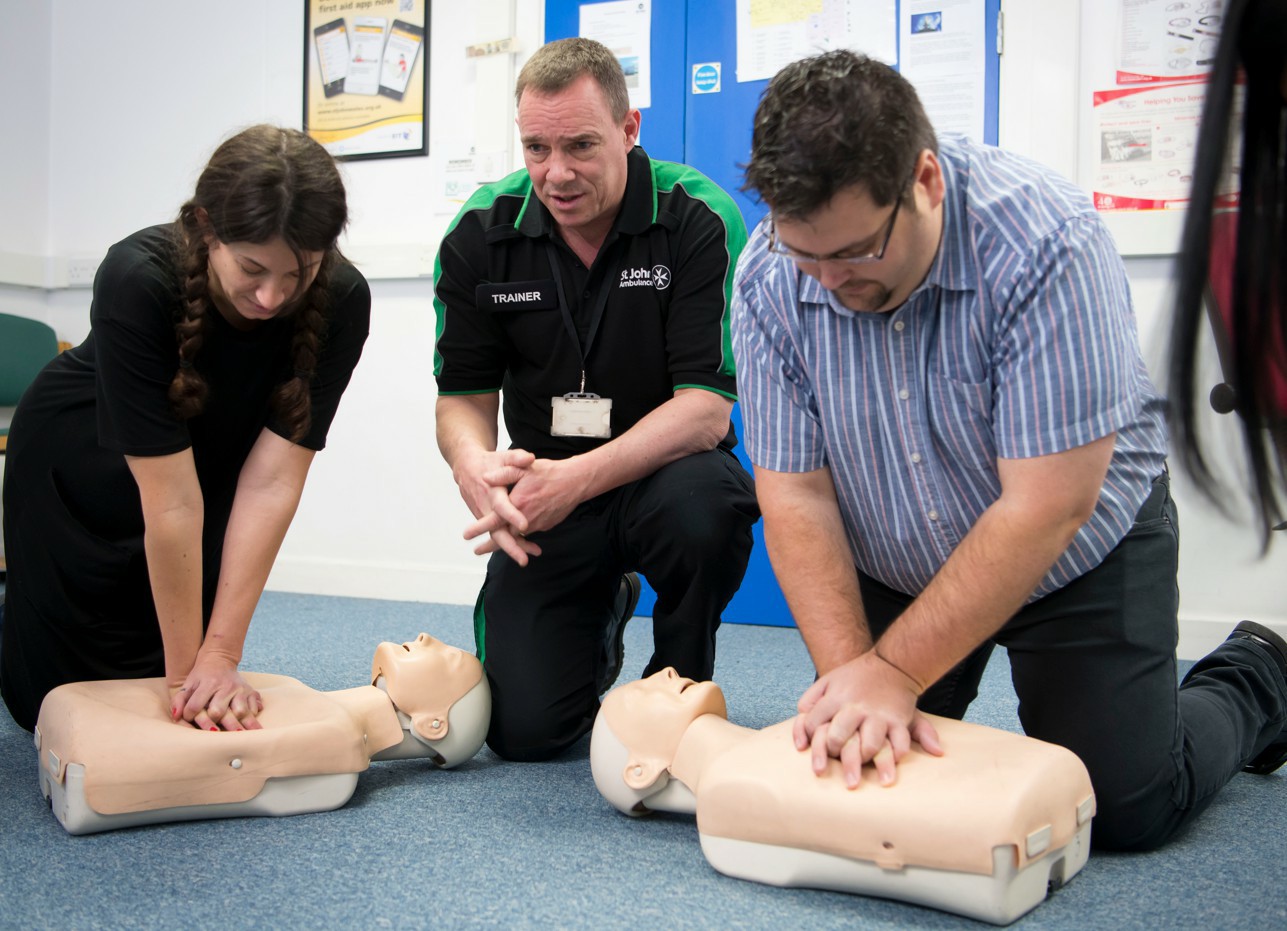
CPR (cardiopulmonary resuscitation) is a vital skill every employee should master. A basic understanding of CPR techniques can preserve life in critical moments. Knowledge about how to:
- Recognize cardiac arrest symptoms.
- Perform chest compressions and rescue breaths effectively.
- Use an Automated External Defibrillator (AED) when necessary.
Choosing the Right First Aid Course
When selecting a First Aid training program, consider factors such as:
- Course content and what skills will be taught.
- Flexibility of training options, including online first aid courses versus in-person training.
- Reputation and certification of the training provider.
Online First Aid Essentials
In an increasingly digital world, online first aid courses offer convenience and accessibility, allowing employees to learn at their own pace without disrupting work schedules.
Creating a Workplace Emergency Response Plan
Every organization should have a comprehensive emergency response plan that includes:
- Designating trained first aiders.
- Regularly scheduled first aid refreshers and drills.
- Ensuring first aid supplies are readily available and maintained.
Conclusion & Call to Action
Investing in First Aid & CPR training is a proactive measure that not only protects employees but also elevates organizational standards. By equipping your team with essential emergency medical response skills, you foster a culture of safety and preparedness.
Take the next step towards enhancing workplace safety today. Enroll your team in a certified First Aid Training course. For more information, visit Ireland Safety Training or contact us at [email protected].