





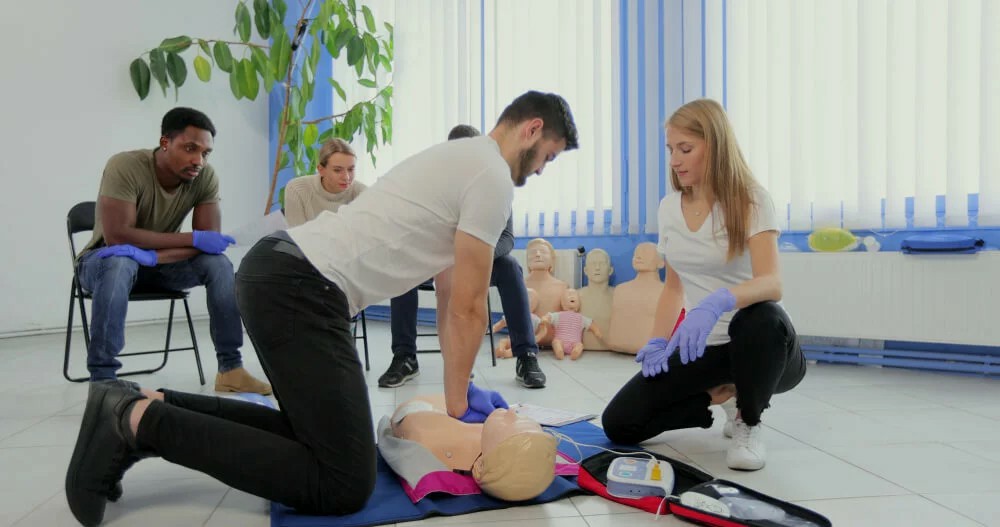
Empower Your Workforce: The Indispensable Role of First Aid Training and CPR Certification in Enhancing Workplace Safety
In today’s fast-paced work environment, the health and safety of employees are paramount. Workplace emergencies can arise at any moment, making it critical for organizations to be prepared. One of the most effective ways to ensure workplace safety is through comprehensive First Aid training and CPR certification. This blog post will delve into why investing in these trainings is not just beneficial, but essential for any business.
Understanding the Importance of First Aid Training
First Aid training equips employees with the skills needed to respond effectively to medical emergencies. Knowledge of basic first aid techniques can literally mean the difference between life and death. Here’s how:
- Immediate response in emergencies: Trained individuals can provide critical care, stabilizing injured employees until professional help arrives.
- Reducing severity of injuries: Quick response can decrease recovery times and improve overall employee well-being.
- Building a safety culture: A workplace trained in first aid fosters an environment of care and responsibility.
CPR Techniques: A Crucial Skill for Every Workplace
Cardiopulmonary resuscitation (CPR) is a life-saving technique that is essential in many workplace environments, particularly in industries with higher risks. From congestive heart failures to accidents, knowing how to perform CPR can be a critical life-saving skill. Key aspects include:
- Quick activation of emergency services: Knowing when and how to call for help effectively.
- Understanding CPR basics: Learning hands-only CPR, rescue breathing, and the use of Automated External Defibrillators (AED).
Adhering to Regulatory Compliance and Safety Standards
Ensuring First Aid compliance isn’t just about keeping employees safe; it’s also about meeting legal requirements. Many jurisdictions require that businesses comply with workplace health and safety regulations, which often include having trained first aiders on staff. Here’s why compliance matters:
- Avoiding penalties: Non-compliance can lead to hefty fines and legal consequences.
- Protecting the workforce: Having certified individuals minimizes the impact of workplace accidents and enhances employee confidence.
Benefits of First Aid Certification for Employees and Employers
Completing a First Aid Course not only benefits the employee but also the organization as a whole. Key advantages include:
- Enhanced confidence: Employees trained in first aid feel more confident in handling emergencies.
- Decreased downtime: Rapid response to injuries affects productivity positively.
- Workplace reputation: Safety-conscious companies attract top talent and improve morale.
Emergency First Aid Procedures: A Quick Reference
Being familiar with specific emergency first aid skills is invaluable. Below are steps to handle common scenarios:
Choking
- Encourage the person to cough as it may dislodge the object.
- If they cannot cough, begin the Heimlich maneuver.
Bleeding
- Apply direct pressure to the wound with a clean cloth.
- If bleeding doesn’t stop, continue applying pressure and seek professional help.
Choosing the Right First Aid Course: Online vs. In-Person Training
With various training options available, organizations can choose between online first aid courses and traditional in-person training. While online courses offer flexibility, in-person training is optimal for tactile learning. When deciding, consider:
- Learning styles of your employees.
- Specific workplace risks and regulatory requirements.
Final Call to Action: Invest in Your Team’s Safety Today!
First Aid training and CPR certification are not just good practices; they are essentials for every workplace. By ensuring that your team is equipped to handle emergencies, you not only comply with safety regulations but also foster a culture of safety that reverberates throughout your organization. Don’t wait for an emergency to occur—enroll your team in a certified First Aid & CPR training course today!
For further inquiries, feel free to reach out via email at [email protected].