




Empower Your Team: The Transformative Impact of First Aid and CPR Training in the Workplace
In today's fast-paced work environment, the safety and well-being of employees are paramount. Workplace accidents, from minor injuries to critical emergencies, can occur at any moment. This is where First Aid and CPR training becomes vital. Not only does this training save lives, but it also builds a culture of safety and preparedness, significantly enhancing workplace health and safety.
The Importance of First Aid Training
First Aid training is designed to equip employees with the essential skills needed to handle medical emergencies before professional medical help arrives. Employees trained in Basic First Aid Courses can act swiftly and confidently in emergencies, reducing the severity of injuries and possibly saving lives. This proactive approach not only benefits the injured party but also promotes a sense of security among all employees.
Key Benefits of First Aid Training
- Enhanced Employee Preparedness: First Aid training provides employees with the knowledge to recognize emergencies and respond appropriately. When employees are trained, they feel more prepared to handle unexpected situations.
- Reduction in Workplace Injuries: By implementing injury prevention strategies learned during a First Aid Course, workplaces can significantly decrease the likelihood of accidents.
- Compliance with Health and Safety Regulations: Many industries require specific First Aid compliance measures. Proper training helps organizations meet these legal requirements, minimizing the risk of penalties.
- Improved Employee Morale: Employees who feel safe and secure in their work environment are more likely to be happy and productive. This training shows employees that their well-being is a priority.
Understanding CPR Techniques
Cardiopulmonary Resuscitation (CPR) is one of the most crucial skills involved in emergency medical response. In workplace settings, having several employees trained in CPR can be a game changer. Here's why:
- Life-Saving Potential: Administering CPR can significantly increase the chance of survival in cardiac arrest situations. Employees equipped with these skills can provide immediate assistance during critical moments.
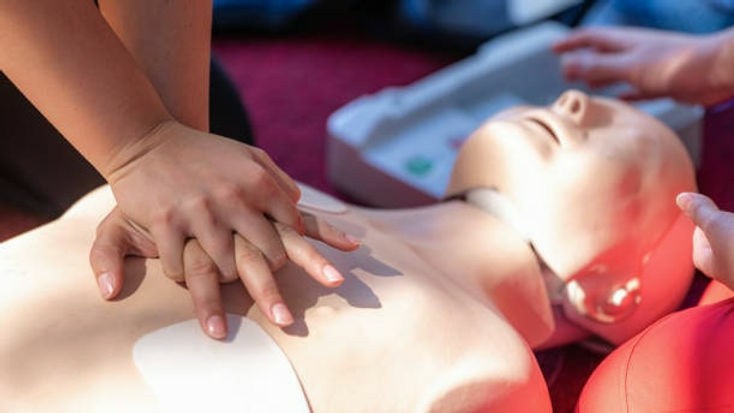
- CPR Best Practices: Training focuses on high-quality chest compressions and rescue breaths. Employees learn how to assess the situation, call for help, and provide life-saving actions promptly.
- Real-Life Scenarios: Emergency First Aid Training courses often include simulated scenarios, allowing employees to practice their CPR skills in a controlled environment, enhancing muscle memory and confidence.
Navigating Workplace Health and Safety Regulations
Health and safety regulations frequently mandate that certain businesses provide First Aid training for their employees. Understanding and adhering to these regulations is crucial for First Aid compliance:
- Legal Compliance: Organizations that fulfill their First Aid training requirements not only protect their employees but also avoid potential legal issues. Proper documentation of training can shield businesses from liability.
- Risk Assessment: Employers must assess risks in their environment and provide adequate training accordingly. This proactive approach can prevent accidents and improve overall safety.
Immediate Response: Essential Emergency First Aid Procedures
Knowing how to perform basic First Aid can mean the difference between a successful recovery and a worsening condition. Key emergency procedures include:
- Recognizing Signs of an Emergency: Training teaches employees how to assess an individual’s condition, including checking responsiveness, breathing, and circulation.
- Administering First Aid: Employees learn to manage bleeding, administer bandages, and care for fractures and sprains.
- Using First Aid Kits Effectively: Proper training incorporates knowledge about the contents of First Aid kits and how to utilize them effectively in emergencies.
Selecting the Right First Aid Training for Your Workplace
When considering first aid courses, employers have various options:
- In-Person Training: These sessions provide hands-on experience under professional supervision, ideal for employees who learn best in an interactive environment.
- Online First Aid Courses: Flexible and convenient, online courses allow employees to learn at their own pace, making it an attractive option for busy teams.
- Emergency Medical Response Training: Advanced courses that offer in-depth knowledge and skills for managing severe emergencies, suitable for designated First Aid responders in the workplace.
Conclusion: Taking Action for a Safer Workplace
The benefits of First Aid and CPR training extend far beyond just regulatory compliance; they foster an environment where employees feel empowered and prepared. By equipping your team with crucial emergency response skills, you can enhance workplace safety, improve morale, and show your commitment to employee health.
Don't wait for an emergency to occur. Invest in your team's safety today by enrolling them in a comprehensive First Aid Certification course. Explore our Emergency First Aid at Workplace Training to begin safeguarding your workplace. For inquiries, contact us at [email protected].